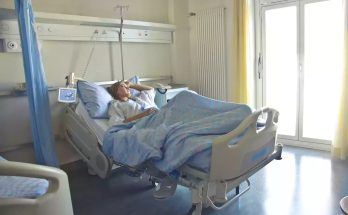
Heart surgery is often seen as the turning point in a patient’s journey but it is not the end of treatment. In reality, recovery begins after discharge, and the quality of that recovery depends heavily on how well it is managed.
This is where cardiac rehabilitation plays a critical role.
In India, awareness around structured recovery is still evolving. While patients invest significant effort in choosing the right hospital and surgeon, the post-surgery phase is often left unplanned. As a result, many patients experience delayed recovery, reduced confidence, and avoidable complications.
Understanding the cardiac rehabilitation phases helps families and patients set realistic expectations. It also highlights why a structured cardiac rehabilitation program is essential for safe and complete recovery.
What Is Cardiac Rehabilitation and Why It Matters
Cardiac rehabilitation is a medically supervised process designed to help patients recover after heart surgery or cardiac events. It is not limited to exercise. It includes a combination of physical activity, medical monitoring, dietary support, medication management, and emotional care.
Globally, cardiac guidelines strongly recommend enrolling in a structured cardiac rehab program after major heart procedures. In India, however, adoption remains low. Many patients either skip rehabilitation or rely only on basic home care, which often lacks structure and clinical oversight.
This gap directly affects recovery outcomes.
A well-designed cardiac rehabilitation program ensures that recovery is gradual, safe, and measurable. It replaces uncertainty with a clear roadmap.
Why Understanding Cardiac Rehabilitation Phases Is Important
Recovery after heart surgery is not a single event. It happens in stages, and each stage has its own goals and risks.
Without understanding these phases, patients may either rush recovery or become overly cautious. Both approaches can slow progress.
Breaking recovery into clear cardiac rehabilitation phases helps patients:
- Know what to expect at each stage
- Understand what level of activity is safe
- Track progress more effectively
- Build confidence gradually
Most importantly, it ensures that recovery is not left to guesswork.
Phase 1: In-Hospital Recovery (Acute Phase)
The first phase of cardiac rehabilitation begins immediately after surgery, while the patient is still in the hospital.
During this stage, the focus is on stabilisation. Doctors and nurses closely monitor heart function, blood pressure, oxygen levels, and overall condition. Patients are encouraged to start very light movement, such as sitting up or taking a few steps, to prevent complications like blood clots or lung issues.
Although this phase is short, it sets the foundation for recovery. It also introduces the concept of gradual activity, which continues throughout the rehabilitation journey.
Phase 2: Early Recovery After Discharge
This is one of the most critical yet least structured phases in India.
After discharge, patients return home, often with basic instructions. This is where confusion begins. Patients may feel weak, experience fatigue, or become anxious about moving too much. Families may struggle to balance care with daily responsibilities.
Without a structured cardiac rehabilitation program, this phase can become unpredictable.
Patients may either avoid activity due to fear or overexert themselves in an attempt to recover quickly. Both situations can delay healing and increase risk.
This is where professional support either through a Care home or a structured rehab center can make a significant difference. Guided recovery ensures that patients follow a safe and consistent routine.
Phase 3: Structured Cardiac Rehabilitation Phase
This is the most important stage of recovery and the core of any cardiac rehab program.
During this phase, patients begin structured rehabilitation under medical supervision. The goal is to rebuild strength, improve cardiovascular fitness, and restore confidence in daily activities.
A typical cardiac rehabilitation program at this stage includes guided exercise sessions, regular monitoring of vitals, dietary planning, and medication management. Progress is tracked carefully, and the intensity of activity is increased gradually based on the patient’s condition.
This phase usually lasts between 6 to 12 weeks, depending on individual recovery.
Patients who complete this phase in a structured environment tend to recover faster and experience fewer complications.
Phase 4: Long-Term Maintenance and Lifestyle Management
Recovery does not end after the structured rehabilitation phase. The final stage focuses on maintaining the progress achieved.
Patients are encouraged to continue regular physical activity, follow heart-healthy diets, and manage risk factors such as hypertension, diabetes, and stress.
This phase is crucial for preventing future cardiac events. It transforms recovery into a long-term commitment to health.
A strong cardiac rehabilitation foundation ensures that patients can sustain these lifestyle changes effectively.
Why Many Patients Struggle Without Structured Rehab
In India, the transition from hospital to home often lacks continuity. Patients receive excellent surgical care but limited guidance afterward.
This creates a gap where recovery becomes inconsistent.
At home, there is usually no system to monitor progress daily. Warning signs may go unnoticed, and patients may not follow a disciplined routine. Emotional factors like fear and anxiety can further slow recovery.
Without a structured cardiac rehabilitation program, patients are left to manage recovery on their own which can be overwhelming.
The Role of Care Homes and Rehab Centres in Cardiac Rehabilitation
This is where a Care home or specialised rehab center becomes highly relevant.
However, when it comes to cardiac recovery, Care homes are often better equipped than standalone rehab centres. While many rehab centres focus primarily on therapy sessions, Care homes provide a more comprehensive, round-the-clock care environment.
Recovery after heart surgery is not limited to exercise alone. It involves continuous monitoring, medication management, nutritional support, and immediate response to any changes in condition. Care homes integrate all these aspects into a single, structured system.
Patients benefit from a stable routine, consistent medical oversight, and guided rehabilitation throughout the day. This level of integration ensures that recovery is safe, efficient, and wellcoordinated.
For families, this also reduces the burden of caregiving. Instead of managing multiple aspects of recovery independently, they can rely on a professional environment that ensures continuity of care.
Why Established Providers Deliver Better Outcomes
Not all recovery environments offer the same level of quality.
Established providers bring experience, infrastructure, and clinical depth that smaller setups often lack. They follow evidence-based protocols, maintain consistent standards, and ensure accountability at every stage of recovery.
In contrast, smaller clinics or unstructured rehab setups may provide basic services but may not have the capacity for comprehensive cardiac care. This can limit recovery outcomes, especially for patients with complex conditions.
Organised care environments focus on measurable progress. They track recovery milestones, adjust plans based on patient response, and provide multidisciplinary support.
This structured approach significantly improves both recovery speed and long-term health outcomes.
The Growing Importance of Cardiac Rehab in India
India is seeing a steady increase in cardiovascular diseases, driven by lifestyle factors, stress, and ageing populations. As more patients undergo heart surgeries, the need for structured recovery solutions is becoming more evident.
Urban families, particularly in cities like Delhi NCR, Bangalore, and Chennai, are increasingly recognising the importance of cardiac rehabilitation phases and the role of professional care environments.
This shift is gradually moving recovery from an informal, home-based approach to a more structured and clinically guided process.
Conclusion
Recovery after heart surgery is not a single step it is a journey that unfolds in stages.
Understanding the cardiac rehabilitation phases helps patients and families navigate this journey with clarity and confidence. It ensures that each stage of recovery is managed properly, reducing risks and improving outcomes.
A structured cardiac rehabilitation program brings discipline, safety, and measurable progress into the recovery process. It transforms uncertainty into a guided path toward better health.
For families, the key is simple: do not stop planning at surgery. Plan for recovery with equal attention.
Because in the end, cardiac rehabilitation is not just about healing it is about restoring life.
FAQs
- What are the phases of cardiac rehabilitation?
The main cardiac rehabilitation phases include in-hospital recovery, early recovery after discharge, structured rehabilitation, and long-term maintenance.
- How long does a cardiac rehabilitation program last?
A typical cardiac rehabilitation program lasts between 6 to 12 weeks, followed by a long-term maintenance phase.
- Is cardiac rehab necessary after heart surgery?
Yes, cardiac rehab is essential for safe recovery, improved heart function, and reduced risk of complications.
- Where should cardiac rehabilitation be done?
A Care home or structured rehab center provides better monitoring, guided programs, and improved outcomes compared to unstructured home recovery.