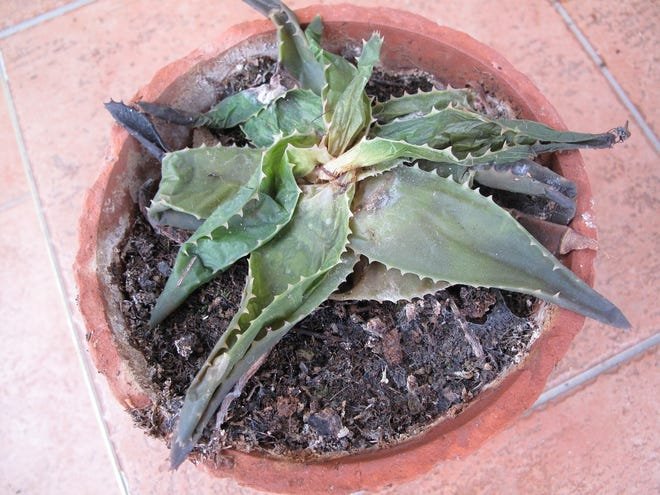
“When is it safe to plant outside?” The seasonal dance of gardening hinges on this crucial question. Timing is everything when it comes to fostering flourishing flora. Understanding your local climate and the specific needs of your plants is key. Early spring may tempt eager gardeners, but frost can still lurk. Patience is the ultimate virtue – wait until the threat of frost has truly passed. Your garden will thank you with a bountiful bloom.

When Is It Safe to Plant Outside: A Guide for Budding Gardeners
Are you itching to get your hands dirty in the garden and start planting your favorite flowers or vegetables? Before you grab your gardening tools and rush outside, it’s crucial to understand when it’s safe to plant outdoors. Planting at the right time can make all the difference in the success of your garden. In this comprehensive guide, we’ll explore the factors that determine when it’s safe to plant outside, so you can cultivate a thriving garden all season long.
Understanding Your Growing Zone
One of the key factors that determine when it’s safe to plant outside is your growing zone. Growing zones are geographic regions that are categorized based on their climate and average temperatures. The United States Department of Agriculture (USDA) has a plant hardiness zone map that divides North America into different zones based on the average minimum winter temperatures.
Before you start planting, it’s important to identify your growing zone. You can easily find this information online by searching for “USDA plant hardiness zone map” and entering your zip code. Once you know your growing zone, you can refer to planting guides that are specific to your zone, helping you determine the best times to plant various crops.
Temperature Considerations
Another crucial factor to consider when deciding when to plant outdoors is the temperature. Plants have different temperature requirements for germination and growth. Planting too early when temperatures are still cold can result in stunted growth or even the death of your plants.
Most seeds and plants have specific temperature ranges at which they thrive. Some plants, like tomatoes and peppers, prefer warmer temperatures and should only be planted outside after the last frost date has passed. On the other hand, cold-hardy crops like lettuce and spinach can be planted earlier in the season when temperatures are still cool.
Frost Dates
Knowing the average last frost date in your area is essential for determining when it’s safe to plant outdoors. The last frost date refers to the date after which the likelihood of a frost occurring is minimal. Planting before the last frost date can put your plants at risk of damage from the cold.
You can find information about the average last frost date in your area by checking with your local agricultural extension office or using online resources. By aligning your planting schedule with the last frost date, you can minimize the risk of losing your plants to unexpected cold snaps.
Soil Conditions
In addition to temperature considerations, it’s essential to pay attention to soil conditions when deciding when to plant outside. Soil temperature and moisture levels play a significant role in the success of your garden. Planting when the soil is too wet or too cold can hinder seed germination and root development.
Before planting, take the time to assess your soil. Ideally, the soil should be crumbly and workable, not soggy or frozen. You can use a soil thermometer to check the temperature, as some plants have specific temperature requirements for optimal growth. If the soil is too cold, consider using techniques like mulching to insulate the soil and warm it up before planting.
Plant-Specific Guidelines
While general guidelines can help you determine when it’s safe to plant outside, it’s important to consider the specific needs of the plants you’re growing. Different plants have different tolerance levels for temperature, light, and moisture.
Some plants, like sunflowers and zinnias, are hardy and can withstand cooler temperatures, making them suitable for early planting. Others, such as basil and beans, are more sensitive to cold and should be planted later in the season when the weather has warmed up.
Seed Starting Indoors
If you’re eager to get a head start on the growing season, consider starting seeds indoors before transplanting them outside. Starting seeds indoors allows you to control the growing environment and give your plants a strong start before they’re exposed to outdoor conditions.
When starting seeds indoors, make sure to provide adequate light, warmth, and moisture to encourage healthy growth. As your seedlings grow, gradually acclimate them to outdoor conditions by exposing them to sunlight and outdoor temperatures. This process, known as hardening off, helps prepare your plants for the transition to the garden.
Knowing when it’s safe to plant outside is essential for successful gardening. By understanding your growing zone, considering temperature and soil conditions, and following plant-specific guidelines, you can maximize the potential of your garden and enjoy a bountiful harvest. Remember, patience is key when it comes to gardening – waiting for the right time to plant will ultimately lead to healthier, happier plants and a more abundant garden.
Happy gardening!
When to Plant Seedlings Outdoors #gardening #gardeningtips
Frequently Asked Questions
Is it safe to plant outside before the last frost date?
It is not safe to plant outside before the last frost date in your region. Planting too early can expose young plants to frost damage, which can hinder their growth and survival. It is recommended to wait until the threat of frost has passed before planting outdoors.
How can I determine when it is safe to plant outside in my area?
You can determine when it is safe to plant outside in your area by checking the last frost date for your region. This information is often available through local gardening resources, extension offices, or online tools. Knowing the average last frost date will help you plan your planting schedule for the growing season.
What precautions should I take to protect my plants if I plant them outside too early?
If you have planted your crops outside too early and there is a risk of frost, you can protect them by covering them with row covers, cloches, or other protective barriers. Additionally, watering the plants before the frost can help insulate them and reduce the risk of damage. Monitor the weather forecast closely and take appropriate measures to protect your plants.
Final Thoughts
It is safe to plant outside once the risk of frost has passed in your region. Consider your local climate and frost dates before planting. Pay attention to the specific recommendations for each type of plant. Always check weather forecasts to ensure favorable conditions. Remember, timing is crucial for successful outdoor planting.