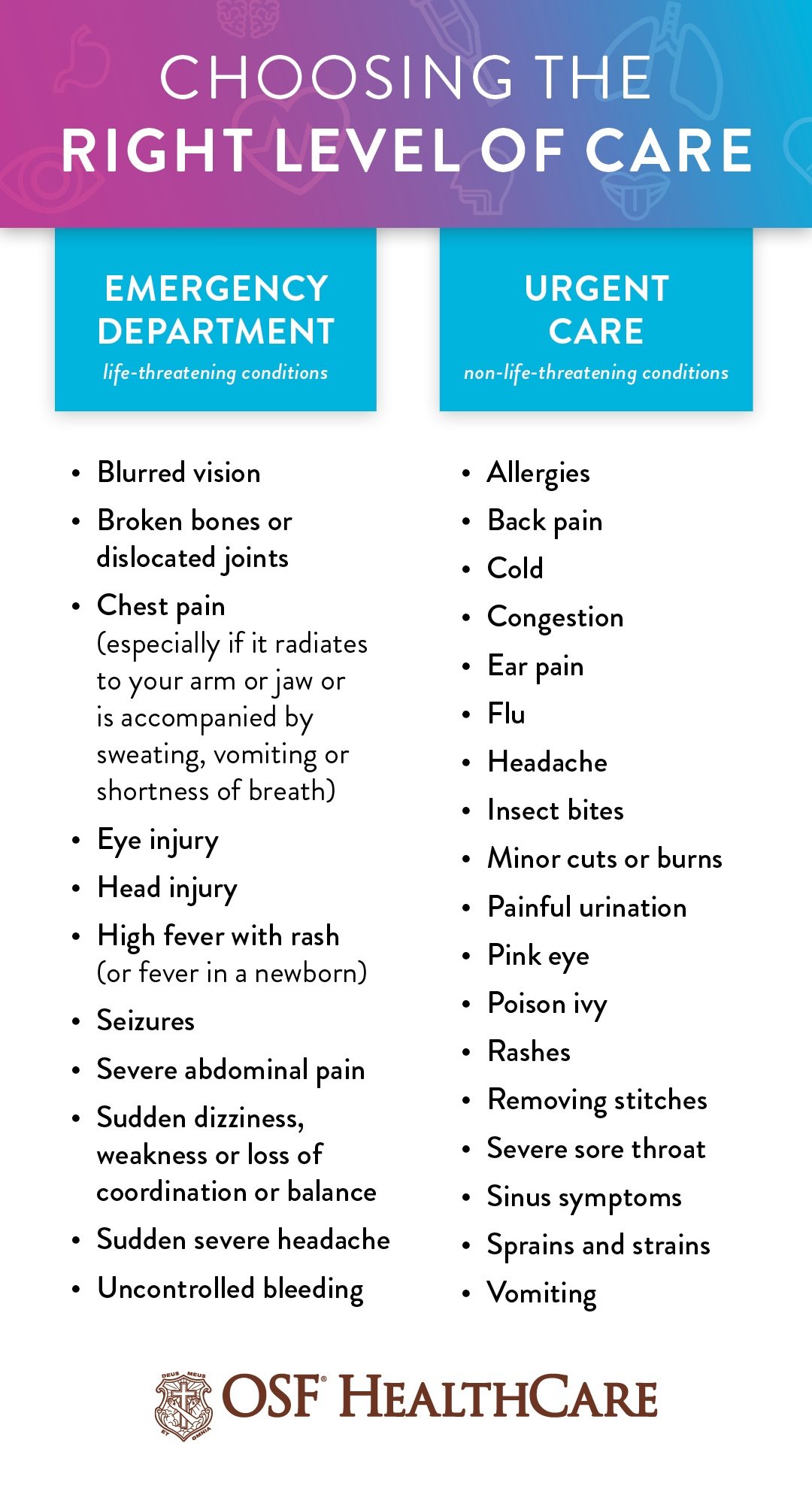
Feeling under the weather with a cold? Wondering when to go to urgent care for a cold? If you’re experiencing severe symptoms such as high fever, persistent cough, or difficulty breathing, it may be time to seek medical attention. Urgent care centers can provide prompt treatment and relief for your cold symptoms. Let’s explore the signs that indicate a trip to urgent care is necessary for managing your cold effectively.

When to Go to Urgent Care for a Cold
Welcome to our guide on when to consider going to urgent care for a cold! While common colds are usually mild and can be managed at home, there are certain situations where seeking medical attention becomes necessary. In this comprehensive article, we will discuss the signs and symptoms that indicate it’s time to visit urgent care for a cold.
Understanding the Common Cold
Before we delve into when to seek urgent care for a cold, let’s first understand what the common cold is. The common cold is a viral infection that affects the upper respiratory tract, including the nose and throat. It is typically caused by different viruses, with the rhinovirus being the most common culprit.
Most colds are self-limiting, meaning they will go away on their own within a week or two without the need for medical intervention. However, there are certain instances when a cold can lead to complications or indicate a more serious condition, necessitating a visit to urgent care.
When to Consider Urgent Care for a Cold
While many cold symptoms can be managed at home with rest, fluids, and over-the-counter medications, there are specific red flags that indicate a need for urgent medical attention. Let’s explore some scenarios where it’s crucial to seek care:
Severe Symptoms
If you are experiencing severe cold symptoms that are impacting your ability to function normally, it may be time to consider urgent care. Symptoms such as high fever, persistent cough, severe headache, or difficulty breathing should not be ignored.
Prolonged Symptoms
While cold symptoms typically improve within a week, if your symptoms are not getting better or are worsening after several days, it’s a sign that something more serious may be going on. Seeking medical evaluation at urgent care can help determine the underlying cause of your prolonged symptoms.
Underlying Health Conditions
If you have underlying health conditions such as asthma, diabetes, or a weakened immune system, a cold can pose a greater risk to your health. Individuals with these conditions should seek medical advice promptly if they develop a cold to prevent complications.
Concerns about Complications
Certain complications can arise from a cold, such as sinus infections, bronchitis, or pneumonia. If you are experiencing symptoms that suggest a secondary infection or complication, urgent care can provide the necessary evaluation and treatment to prevent worsening of the condition.
When Not to Go to Urgent Care for a Cold
While knowing when to seek urgent care for a cold is essential, it’s equally important to recognize when self-care at home is sufficient. Here are some scenarios where a trip to urgent care may not be necessary:
Mild Symptoms
If your cold symptoms are mild and you are otherwise healthy, managing them at home with rest, hydration, and over-the-counter cold remedies is usually sufficient. In most cases, the common cold will run its course without the need for medical intervention.
No Underlying Health Conditions
If you are generally healthy and do not have any underlying health conditions that may increase your risk of complications from a cold, monitoring your symptoms at home and seeking medical advice if they worsen may be appropriate.
Frequent Colds
If you are prone to frequent colds and your symptoms are consistent with previous episodes, it may not be necessary to visit urgent care unless you experience new or severe symptoms that differ from your usual colds.
In summary, knowing when to go to urgent care for a cold is essential for ensuring prompt medical attention when needed. By understanding the signs and symptoms that indicate a more serious condition or complication, you can make informed decisions about seeking medical care. Remember, it’s always better to seek medical advice if you are unsure or concerned about your cold symptoms. Stay well and take care!
When to go to urgent care vs emergency room! 🚑🏥
Frequently Asked Questions
What symptoms of a cold should prompt a visit to urgent care?
If you experience severe symptoms such as difficulty breathing, chest pain, persistent cough, fever above 102°F, or sudden worsening of symptoms, it’s advisable to seek urgent care. These may indicate a more serious respiratory infection or complication that requires immediate medical attention.
Is it necessary to visit urgent care for a common cold?
For a mild cold with typical symptoms like congestion, runny nose, sneezing, and mild cough, visiting urgent care may not be necessary. In most cases, rest, hydration, over-the-counter medications, and home remedies are sufficient for managing these symptoms. If your symptoms worsen or persist, consult with a healthcare provider.
When should I consider urgent care for a cold in a child?
If your child is experiencing difficulty breathing, severe cough, high fever, dehydration, or persistent symptoms, a visit to urgent care is recommended. Children can deteriorate quickly when sick, so it’s important to seek medical attention promptly if you are concerned about their condition.
Can urgent care help with cold symptoms like congestion and sore throat?
Yes, urgent care can provide treatment and relief for cold symptoms such as congestion and sore throat. They may recommend over-the-counter medications, prescribe appropriate medications, or offer additional interventions to help alleviate your symptoms. Visiting urgent care can also help rule out any complications or secondary infections.
Final Thoughts
When deciding when to go to urgent care for a cold, consider persistent high fever, difficulty breathing, or worsening symptoms. Urgent care is best for sudden severe symptoms that can’t wait for a primary care visit. Seek urgent care for a cold if you experience chest pain, confusion, or dehydration. Remember, urgent care for a cold is necessary when symptoms are severe or concerning.