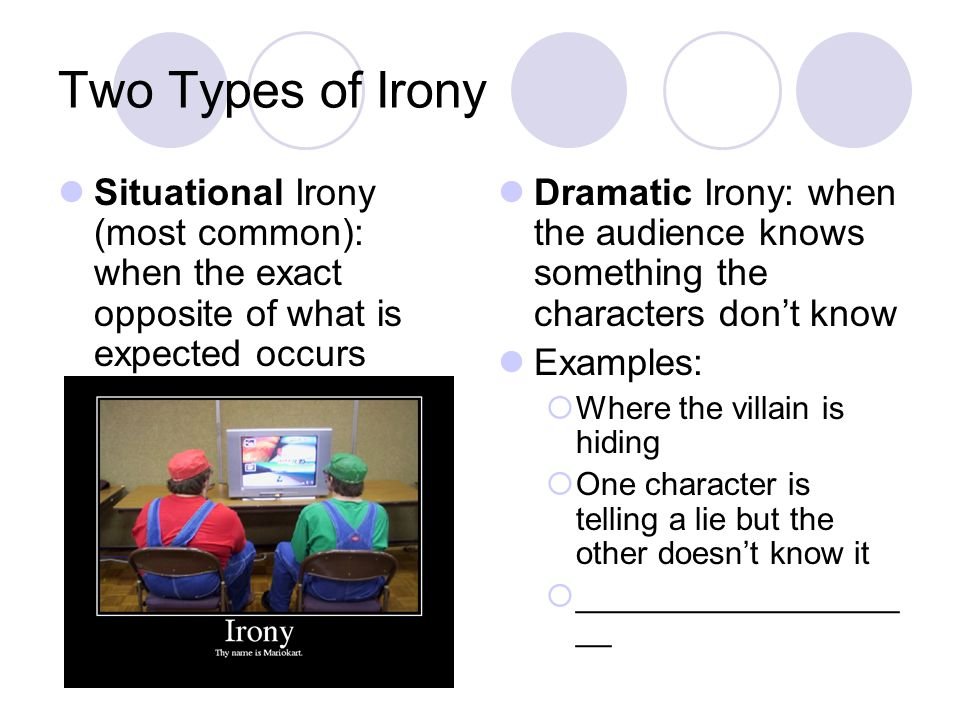
When the reader knows something the character doesn’t, it creates suspense and anticipation in the story. This literary technique is known as dramatic irony. It allows the audience to foresee outcomes, adding depth to the narrative. Through this device, readers are engaged on a different level, privy to information hidden from the characters. As the plot unravels, the tension builds as we wait for the characters to catch up to what we already know. Dramatic irony keeps us on the edge of our seats, eagerly awaiting the moment when the truth is revealed.

Understanding Dramatic Irony: When the Reader Knows More Than the Character
Have you ever read a book or watched a movie where you knew something the characters didn’t? That feeling of anticipation and excitement is all thanks to a literary device called dramatic irony. In this article, we’ll explore what dramatic irony is, how it enhances storytelling, and why it keeps us hooked until the very end.
What is Dramatic Irony?
Dramatic irony occurs in a story when the audience or reader is aware of something that the characters are not. This contrast between what the characters know and what the audience knows creates tension, suspense, and sometimes humor in the narrative. It’s like being in on a secret that only you know!
Examples of Dramatic Irony in Literature
Let’s dive into some examples of dramatic irony from famous works of literature:
Romeo and Juliet by William Shakespeare
In Shakespeare’s tragic play, the audience knows that Juliet is not actually dead when Romeo finds her seemingly lifeless body. This knowledge makes the scene heart-wrenching as we watch Romeo make a fateful decision based on false information.
The Great Gatsby by F. Scott Fitzgerald
Readers of this classic novel are aware of Jay Gatsby’s true feelings for Daisy Buchanan, while the other characters remain oblivious to the depth of his love. This creates a sense of foreboding as we witness the events unfold.
How Dramatic Irony Enhances Storytelling
So, why do authors use dramatic irony in their works? Well, dramatic irony serves several important purposes in storytelling:
Building Suspense
By letting the audience in on secrets that the characters are unaware of, dramatic irony builds suspense and keeps readers eagerly turning the pages to see how things will play out. It adds an element of unpredictability to the narrative.
Creating Depth of Character
When readers know more about a character’s thoughts and motivations than the other characters do, it adds depth and complexity to the story. We get insight into their true selves, making them more relatable and multi-dimensional.
Enhancing Emotional Impact
Knowing the outcome of a situation before the characters do can evoke a range of emotions in readers, from anticipation to sadness to joy. This emotional rollercoaster makes the story more engaging and memorable.
Why We Love Dramatic Irony
As readers, we are drawn to stories that employ dramatic irony for several reasons:
Engagement
Dramatic irony engages us on a deeper level by inviting us to participate in the storytelling process. We become active participants, forming opinions and predictions based on the information we have that the characters lack.
Empathy
Experiencing dramatic irony allows us to empathize with the characters in the story. We feel a sense of connection with them as we understand their struggles and dilemmas, sometimes even before they do themselves.
Entertainment
Above all, dramatic irony is simply entertaining. It adds an element of intrigue and excitement to the narrative, making the reading experience all the more enjoyable.
Conclusion: The Power of Knowing More
In conclusion, dramatic irony is a powerful literary device that enriches storytelling by creating tension, depth, and emotional resonance. The next time you come across a story where you know something the characters don’t, revel in the excitement of being in on the secret. It’s all part of the magic of storytelling!
So, next time you pick up a book or watch a movie, keep an eye out for dramatic irony at play. You’ll be amazed at how this clever narrative technique enhances your reading and viewing experience!
Happy reading!
When reading starts to feel like this again #books #reading
Frequently Asked Questions
What is dramatic irony?
Dramatic irony occurs when the audience or reader is aware of something that the characters in a story are not. This disparity in knowledge creates tension and often leads to unexpected or tragic outcomes in the plot.
How does dramatic irony affect the audience’s experience?
Dramatic irony engages the audience by allowing them to feel a sense of superiority or anticipation as they witness events unfold in a story. The gap in knowledge between the audience and the characters can enhance the emotional impact of key moments and generate suspense throughout the narrative.
Can you provide an example of dramatic irony in literature or film?
Certainly! One classic example of dramatic irony is in William Shakespeare’s play “Romeo and Juliet,” where the audience knows that Juliet has only taken a potion to feign death, while Romeo believes she is truly deceased. This misunderstanding leads to a tragic sequence of events that could have been avoided if the characters were aware of the truth.
How does dramatic irony contribute to storytelling?
Dramatic irony serves as a powerful tool for authors and filmmakers to create tension, build suspense, and shape the overall narrative arc. By leveraging the audience’s privileged perspective, storytellers can manipulate emotions, engage viewers, and deliver impactful plot twists that resonate long after the story concludes.
Final Thoughts
In literature, when the reader knows something the character doesn’t, it creates dramatic irony. This literary device enhances suspense and engages the audience by allowing them to anticipate the character’s actions and outcomes. By being privy to information unknown to the characters, readers experience a sense of superiority and deeper connection to the story. Embracing dramatic irony adds depth and intrigue to the narrative, making it a powerful tool for storytellers.