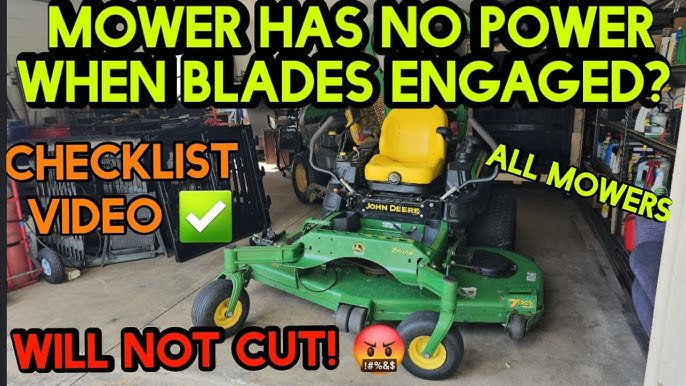
When your mower starts losing power when blades engaged, frustration sets in. But fear not, as we have the solution. This common issue can be caused by various factors, including a clogged air filter or a dull blade. In this article, we will delve into the reasons behind your mower’s power loss and provide you with easy troubleshooting tips to get your lawn care routine back on track. Let’s uncover the mystery behind mower losing power when blades engaged.

Why Does My Mower Lose Power When Blades Are Engaged?
Introduction: Understanding the Issue
Imagine this: you’re all set to mow your lawn on a bright and sunny day. You turn on your trusty lawn mower, engage the blades, and suddenly, it starts losing power. Frustrating, right? Don’t worry; you’re not alone. Many people face this issue, and there can be various reasons behind it. In this detailed guide, we’ll explore why your mower might be losing power when the blades are engaged and how you can troubleshoot this common problem.
1. Check the Engine Oil Level
One of the first things to look at when your mower is losing power with the blades engaged is the engine oil level. Low oil levels can lead to poor engine performance, causing your mower to struggle when the blades are running. Make sure to check the oil dipstick and top up the oil if it’s below the recommended level. Clean oil is essential for proper lubrication and smooth engine operation.
How to Check the Engine Oil Level:
– Locate the oil dipstick on your mower.
– Remove the dipstick and wipe it clean.
– Reinsert the dipstick all the way back in and then pull it out to check the oil level.
– Add more oil if needed, following the manufacturer’s recommendations in the owner’s manual.
2. Inspect the Air Filter
A dirty or clogged air filter can restrict airflow to the engine, leading to power loss when the blades are engaged. Check the air filter and clean or replace it if necessary. A clean air filter ensures that the engine gets enough air for combustion, allowing it to run smoothly even with the blades on.
How to Inspect and Clean the Air Filter:
– Locate the air filter housing on your mower.
– Remove the air filter and inspect it for dirt, debris, or damage.
– Clean the air filter using compressed air or gently wash it with soap and water if it’s washable.
– Allow the air filter to dry completely before reinstalling it.
3. Spark Plug Check
A faulty or worn-out spark plug can also contribute to power loss in a mower. The spark plug is responsible for igniting the air-fuel mixture in the engine’s combustion chamber. If the spark plug is dirty or corroded, it can cause misfiring and a decrease in power output.
How to Check and Replace the Spark Plug:
– Locate the spark plug on your mower (consult the owner’s manual if needed).
– Remove the spark plug using a spark plug socket and inspect it for any signs of wear or deposits.
– Replace the spark plug with a new one if necessary, following the gap specifications provided by the manufacturer.
– Ensure the spark plug is tightened securely but not over-tightened.
4. Fuel System Inspection
Problems with the fuel system, such as clogged fuel lines or a dirty fuel filter, can also cause your mower to lose power when the blades are engaged. Inspect the fuel lines, fuel filter, and fuel tank for any blockages or contaminants. Ensure that fresh, clean fuel is reaching the engine for optimal performance.
How to Inspect the Fuel System:
– Check the fuel lines for any kinks, cracks, or blockages.
– Inspect the fuel filter for dirt or debris and replace it if necessary.
– Drain any old fuel from the tank and refill it with fresh gasoline.
– Prime the fuel system according to your mower’s instructions to ensure proper fuel flow.
5. Blade Maintenance
Sometimes, the issue of power loss when the blades are engaged can be attributed to the mower blades themselves. Dull or damaged blades can put extra strain on the engine, causing it to lose power. Regular blade maintenance, including sharpening or replacing worn-out blades, is essential for efficient cutting performance.
How to Maintain Mower Blades:
– Remove the spark plug wire for safety before working on the blades.
– Inspect the blades for signs of wear, dullness, or damage.
– Sharpen the blades using a file or grinder or replace them with new ones if needed.
– Balance the blades after sharpening or replacement to prevent vibrations during operation.
6. Belt Tension and Condition
The drive belt that connects the engine to the blades plays a crucial role in power transmission. If the belt is loose, worn, or damaged, it can slip or break, causing the mower to lose power when the blades are engaged. Check the belt tension and condition regularly to ensure smooth operation.
How to Check and Adjust Belt Tension:
– Locate the drive belt on your mower’s deck.
– Check the belt for any signs of wear, cracks, or looseness.
– Adjust the belt tension according to the manufacturer’s guidelines, usually by adjusting the belt tensioning mechanism.
– Replace the belt if it’s worn out or damaged to maintain proper power transmission.
Conclusion: Enjoy a Smooth Mowing Experience
By addressing the potential causes of power loss when the blades are engaged in your mower, you can ensure that your mowing experience is smooth and hassle-free. Regular maintenance, including checking engine oil, inspecting air filters, and maintaining sharp blades, is key to keeping your mower running at its best. Remember, a well-maintained mower not only performs better but also lasts longer, saving you time and money in the long run. So, next time you fire up your mower, rest assured that it will tackle your lawn with power and precision!
Mower losing power when cutting grass?
Frequently Asked Questions
Why does my mower lose power when the blades are engaged?
When your mower loses power when the blades are engaged, it could be due to several factors. One common reason is a dirty or clogged air filter, which restricts the airflow and affects the engine’s performance. Another possible cause could be a worn-out drive belt that slips or fails to transfer power efficiently when the blades are running. Additionally, a faulty spark plug or a low oil level can also lead to power loss in your mower when the blades are engaged.
How can I troubleshoot my mower losing power with blades engaged?
To troubleshoot your mower losing power when the blades are engaged, start by checking and cleaning the air filter to ensure proper airflow to the engine. Inspect the drive belt for any signs of wear or damage and replace it if necessary. Verify the spark plug condition and replace it if it’s old or fouled. Check the oil level and top it up if it’s low. Lastly, ensure that the blades are not dull or obstructed, as they could strain the engine and cause power loss.
Can a dirty carburetor cause a mower to lose power when blades are engaged?
Yes, a dirty carburetor can contribute to your mower losing power when the blades are engaged. A clogged carburetor restricts the fuel flow to the engine, leading to inadequate combustion and reduced power output. Cleaning the carburetor or having it professionally serviced can help restore the proper fuel mixture and improve your mower’s performance when the blades are in operation.
Final Thoughts
When a mower loses power when the blades are engaged, it can be a frustrating and disruptive issue. Common causes include a dull blade, clogged deck, or belt issues. Regular maintenance and troubleshooting can prevent this problem. If the mower continues to lose power, consult a professional for further diagnosis. Remember, proper maintenance is key to keeping your mower running smoothly when the blades are engaged.