You can usually drive after epiretinal membrane surgery once your vision has sufficiently recovered. The timing varies for each individual, depending on their healing process. It’s crucial to follow your doctor’s recommendations on when it’s safe to resume driving. Vision clarity, depth perception, and any restrictions on head movements will influence your ability to drive safely. Prioritize your eye health and ensure a smooth transition back to driving post-surgery.

When Can I Drive After Epiretinal Membrane Surgery?
Understanding Epiretinal Membrane Surgery
Imagine waking up one day and noticing a distortion in your vision, almost like a wavy line affecting your ability to see clearly. This could be a sign of an epiretinal membrane, a condition where a thin layer of scar tissue forms on the retina, causing visual disturbances. In some cases, surgery may be recommended to remove this membrane and improve your vision.
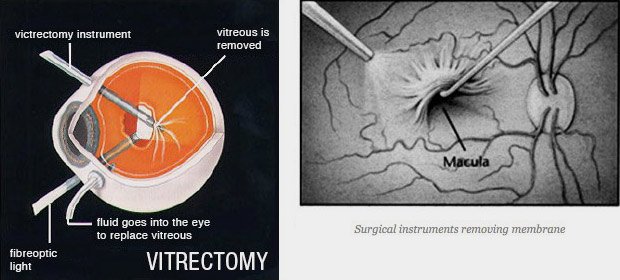
Epiretinal membrane surgery, also known as vitrectomy, is a delicate procedure performed by ophthalmologists to restore vision clarity by removing the scar tissue from the surface of the retina. It involves making tiny incisions in the eye and using specialized instruments to carefully peel off the membrane.
Recovery Period After Epiretinal Membrane Surgery
After undergoing epiretinal membrane surgery, it is crucial to allow your eye to heal properly before resuming activities that could potentially strain or harm your vision. The recovery period following this surgery is typically a gradual process, during which your eye needs time to adjust and heal.
During the initial days after surgery, it is common to experience some discomfort, light sensitivity, and blurry vision. Your ophthalmologist will provide you with specific post-operative instructions to follow, which may include using prescribed eye drops, wearing an eye shield at night, and avoiding strenuous activities.
Driving Restrictions After Epiretinal Membrane Surgery
Driving is a visually demanding activity that requires clear, sharp vision to ensure safety on the roads. As such, it is essential to understand the guidelines for driving after epiretinal membrane surgery to prevent any potential risks or accidents.
In most cases, patients are advised not to drive immediately after epiretinal membrane surgery due to the potential for visual disturbances and the need for adequate healing time. The duration of the driving restriction may vary depending on individual healing progress and the specific recommendations from your ophthalmologist.
Factors Influencing When You Can Drive After Surgery
Several factors play a role in determining when you can safely resume driving after epiretinal membrane surgery. These factors include:
1. Healing Progress
The rate of your eye’s healing progress is a critical factor in deciding when it is safe to resume driving. Your ophthalmologist will monitor your recovery and provide guidance based on the healing of the incisions and the overall health of your eye.
2. Visual Acuity
Clear and sharp vision is essential for safe driving. Your ophthalmologist will assess your visual acuity during follow-up appointments to determine if your vision has sufficiently improved to meet the requirements for driving.
3. Depth Perception and Peripheral Vision
Adequate depth perception and peripheral vision are crucial for judging distances and detecting objects on the sides while driving. Your ophthalmologist will evaluate these aspects of your vision to ensure they meet the necessary standards for safe driving.
4. Medication Effects
Some medications prescribed during the post-operative period may cause temporary side effects such as drowsiness or blurry vision, which can impair your ability to drive safely. It is essential to discuss any medication-related concerns with your healthcare provider before getting behind the wheel.
Guidelines for Driving After Epiretinal Membrane Surgery
While the specific timeline for when you can drive after epiretinal membrane surgery may vary for each individual, there are general guidelines to consider:
1. Follow Your Ophthalmologist’s Instructions
Your ophthalmologist is the best source of guidance regarding when it is safe for you to resume driving after surgery. Make sure to attend all follow-up appointments and communicate any concerns or changes in your vision.
2. Gradual Return to Driving
Instead of jumping back into driving immediately, consider a gradual return to the activity. Start with short drives in familiar areas to gauge your comfort level and visual abilities before venturing into more challenging driving conditions.
3. Monitor Your Vision
Pay close attention to any changes in your vision while driving, such as increased glare sensitivity or difficulty reading road signs. If you experience any new visual disturbances, stop driving immediately and consult your ophthalmologist.
4. Be Patient and Listen to Your Body
Healing takes time, and it is essential to be patient with yourself during the recovery process. If you feel fatigued, have eye discomfort, or notice any changes in your vision, wait until you feel fully ready before getting back behind the wheel.
In conclusion, driving after epiretinal membrane surgery requires careful consideration of your healing progress, visual acuity, and overall safety. While it is essential to follow your ophthalmologist’s recommendations regarding when you can resume driving, remember that prioritizing your eye health and safety is paramount.
By understanding the factors influencing when you can drive after epiretinal membrane surgery and following the guidelines for a safe return to driving, you can navigate the road with confidence and clarity. Remember, your vision is precious, so take the time needed to ensure a smooth and successful recovery before hitting the road again. Drive safely and enjoy the gift of clear vision!
What Should You Expect After Vitrectomy Surgery? Eye Surgeon Mr Mitry Explains | London Medical
Frequently Asked Questions
How soon can I resume driving after epiretinal membrane surgery?
It is recommended to wait at least 24 hours after the surgery before considering driving to ensure that any side effects like blurriness or sensitivity to light have subsided. However, it’s crucial to follow the specific advice given by your eye surgeon.
What factors should I consider before driving following epiretinal membrane surgery?
Prior to driving, you should assess your vision clarity, any remaining discomfort, and your ability to react quickly. If you experience continued issues with vision or discomfort, it is best to delay driving until you feel completely comfortable and safe behind the wheel.
Can I drive if I am using eye drops post epiretinal membrane surgery?
If your eye drops cause blurriness or affect your vision, it is advisable to avoid driving until these side effects have subsided. Always consult your surgeon regarding the use of eye drops and driving restrictions during the recovery period.
Final Thoughts
In conclusion, driving after epiretinal membrane surgery is typically allowed once your vision has improved and you are comfortable behind the wheel. It is essential to follow your surgeon’s guidance and have a thorough eye examination to ensure it is safe. Most patients can resume driving within a few weeks post-surgery. Remember to prioritize your safety and consult with your healthcare provider if you have any concerns about driving after epiretinal membrane surgery.